
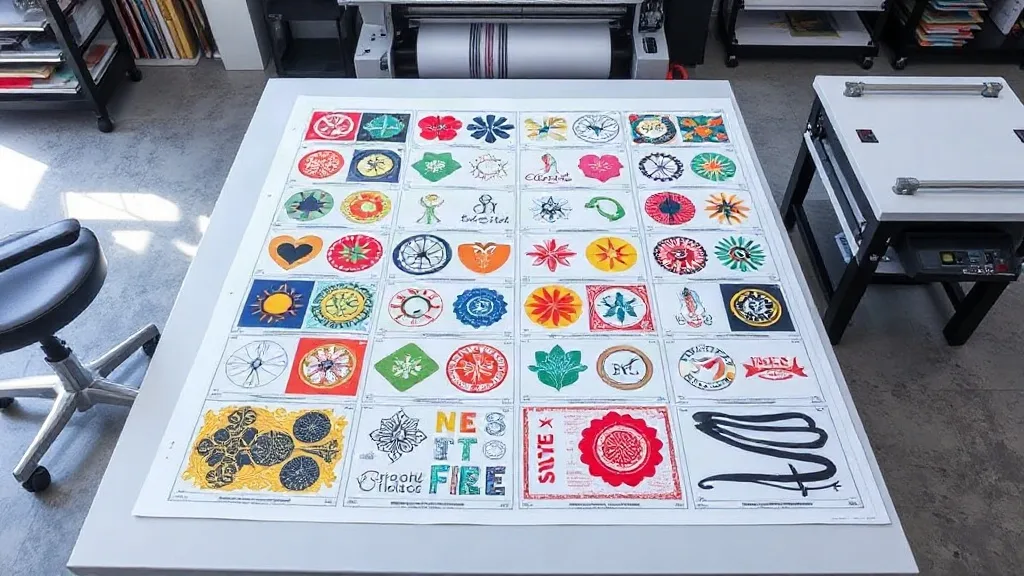
When your apparel brand starts gaining traction, the pressure to produce more without dropping quality or blowing your budget can feel overwhelming. You might be tempted to outsource or invest in expensive equipment, but there's a smarter way: using DTF Gangsheet printing. This method lets you bundle multiple designs onto a single sheet, slashing costs and turnaround times while maintaining the vibrant, durable prints your customers expect. In this guide, we'll explore how gangsheets work, why they're a game-changer for growing brands, and how to implement them effectively. Whether you're a print shop owner or a brand manager, you'll find actionable tips to scale your production efficiently.
What Is a DTF Gangsheet?
A DTF gangsheet is a large sheet of transfer film that holds multiple designs, printed in one pass using a DTF printer. Instead of printing each design individually, you arrange them on a single sheet, maximizing film usage and minimizing waste. Once printed, the sheet is powdered with adhesive, cured, and then cut into individual transfers. This approach is ideal for small to medium-sized apparel businesses that need to produce a variety of designs in small quantities. By consolidating jobs onto one sheet, you reduce setup time, material waste, and overall production costs.
Why Growing Brands Need Gangsheets
As your brand grows, you'll likely face more diverse orders: different designs, sizes, and colors. Traditional screen printing becomes cumbersome for small batches, and individual DTF prints can be costly and time-consuming. Gangsheets solve these pain points by allowing you to combine multiple designs into one print run. This means you can fulfill orders faster, offer more variety without holding excess inventory, and keep your per-unit costs low. For brands scaling up, gangsheets provide the flexibility to test new designs and respond to trends quickly.
Cost Efficiency
One of the biggest advantages of gangsheets is cost savings. DTF film and ink are significant expenses, so maximizing usage is key. By nesting designs efficiently, you can reduce waste by up to 30% compared to printing individually. Additionally, you save on labor and time because you're handling one sheet instead of many small prints. For a growing brand, these savings directly impact your bottom line and allow you to invest in marketing or new product lines.
Speed and Flexibility
Time is critical when you're scaling. Gangsheets enable you to produce multiple designs in a single print cycle, cutting production time significantly. This speed allows you to take on last-minute orders, restock popular items quickly, and experiment with limited editions. Plus, you can easily mix and match designs for different product types, from t-shirts to hoodies, all on one sheet.
How to Create an Effective Gangsheet
Creating a gangsheet isn't just about throwing designs onto a canvas. Proper planning ensures you maximize efficiency and quality. Here's a step-by-step approach to building a gangsheet that works for your production needs.
Step 1: Gather and Organize Your Designs
Start by collecting all the designs you need to print. Consider the size, color, and quantity of each. Group similar designs together to streamline the cutting process later. Use design software to arrange them on a gangsheet template that matches your film size (common sizes are 13"x19", 22"x24", or 24"x36"). Make sure to leave enough space between designs for cutting.
Step 2: Nest Designs for Maximum Efficiency
Nesting is the art of arranging designs to minimize wasted space. Rotate and reposition elements to fill gaps. Many RIP software programs have automatic nesting features, but manual tweaking can yield better results. Aim for a tight layout while keeping at least 0.25 inches between designs for clean cuts. Remember that smaller designs can fill gaps around larger ones.
Step 3: Consider Color and Ink Usage
If your designs use a lot of ink, especially white ink, you might want to group them to avoid overloading certain areas. Also, consider the order of printing: lighter colors first, then darker, to reduce ink buildup on the film. If you're using a white toner printer, ensure the white layer is properly applied for opacity.
Step 4: Print, Powder, and Cure
Once your layout is ready, print the gangsheet using your DTF printer. While still wet, apply hot melt adhesive powder evenly, shake off excess, and cure the sheet in an oven or with a heat press. Follow your printer and powder manufacturer's recommendations for temperature and time. Proper curing ensures the transfers will withstand washing.
Step 5: Cut and Store Transfers
After curing, cut the gangsheet into individual transfers. Use a vinyl cutter or scissors for simple shapes, or a plotter for intricate designs. Store transfers in a cool, dry place away from direct sunlight. They're now ready to press onto garments whenever you need them.
Best Practices for Gangsheet Success
To get the most out of your gangsheets, follow these best practices. They'll help you avoid common pitfalls and ensure consistent quality.
- Use high-quality film and powder: Cheaper materials can cause adhesion issues or dull colors. Invest in reputable brands.
- Maintain your printer: Regular cleaning and maintenance prevent clogs and ensure consistent ink flow.
- Test your layouts: Before printing a full sheet, do a small test print to check color and alignment.
- Keep a design library: Organize your designs digitally so you can quickly assemble gangsheets for repeat orders.
- Track your costs: Monitor film, ink, and powder usage to calculate your cost per transfer and adjust pricing accordingly.
Common Mistakes to Avoid
Even experienced printers make mistakes with gangsheets. Here are a few to watch out for.
- Overcrowding: Placing designs too close together can cause cutting errors and wasted film. Leave adequate spacing.
- Ignoring grain direction: DTF film has a grain, and pressing transfers against the grain can affect durability. Always align designs with the grain.
- Inconsistent powder application: Too much powder leads to a rough feel; too little causes poor adhesion. Use a powder shaker for even coverage.
- Skipping curing: Under-cured transfers will crack or peel after washing. Always follow curing guidelines.
- Poor storage: Exposure to moisture or heat can ruin transfers. Store them properly.
How Gangsheets Fit into Your Scaling Strategy
As your brand grows, you'll need to streamline operations. Gangsheets are a key tool for scaling because they allow you to produce small batches of multiple designs without sacrificing efficiency. You can offer more variety to your customers, test new designs with minimal risk, and fulfill orders quickly. Additionally, gangsheets reduce the need for large inventory; you can print transfers on demand as orders come in. This lean approach frees up capital and reduces waste, which is especially important for growing brands.
Frequently Asked Questions
What size gangsheet should I use for my orders?
The size depends on your typical order volume and design sizes. For small batches, a 13"x19" sheet might suffice. For larger runs, 24"x36" is more efficient. Choose a size that minimizes waste while accommodating your designs.
Can I mix different fabric types on one gangsheet?
Yes, you can mix designs intended for different fabrics on the same sheet, as long as you use the appropriate transfer settings for each fabric during pressing. However, keep in mind that some fabrics may require different pressing temperatures or times, so it's best to group similar fabrics together.
How do I calculate the cost per transfer from a gangsheet?
Add up the costs of film, ink, powder, and labor for the entire sheet, then divide by the number of transfers. This gives you a per-transfer cost. Compare this to individual printing to see your savings.
What's the best way to store unused transfers?
Store them in a cool, dry place, away from direct sunlight and moisture. Keep them flat or rolled (not folded) to prevent creases. Use a dust-free container if possible.
Can gangsheets be used with a heat press for application?
Absolutely. Gangsheets produce standard DTF transfers that are applied with a heat press. Follow the recommended temperature and pressure settings for your transfer and fabric.