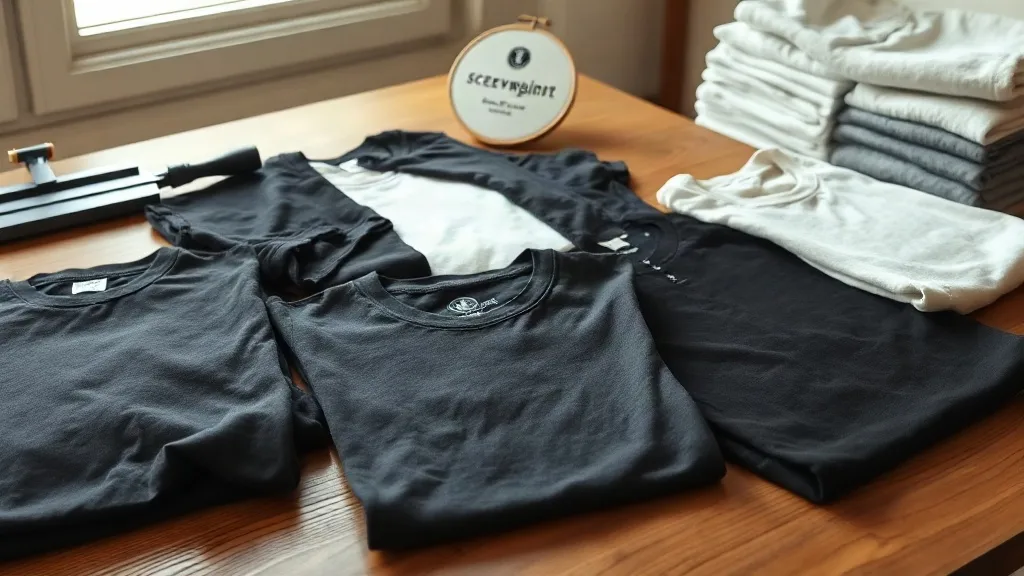
When you pull a shaka wear tee out of the box, the first thing you notice is its heft. The fabric feels substantial, almost like it's daring you to put it through the wringer. That's exactly why streetwear brands, print shops, and promo companies have gravitated toward this heavyweight blank for years. But here's the thing: a great blank is only half the story. The other half is what you do with it. This guide dives into the practical side of customizing shaka wear tees, from choosing the right printing method to nailing the design details that make a garment feel premium. Whether you're launching your first drop or scaling an existing line, these insights will help you avoid costly mistakes and turn blanks into bestsellers.
Why Shaka Wear Blanks Are a Favorite for Customization
Not all blanks are created equal. Some are too thin, some shrink unpredictably, and others have a surface that fights ink. shaka wear tees, on the other hand, are built with customization in mind. Their 100% cotton construction, often in the 5.5 to 6.5 oz range, provides a stable foundation for screen printing, direct-to-garment (DTG), and embroidery. The tight knit weave means less ink bleed and sharper details, while the heavyweight fabric holds its shape through multiple wash cycles. For brands that want a consistent look across an entire collection, that reliability is gold.
Another advantage is the fit. Shaka Wear offers a range of cuts, from classic crew necks to boxy oversized silhouettes, which align with current streetwear trends. When you're customizing, the fit dictates where your design lands and how it reads. A boxy tee, for example, gives you a larger canvas for back prints, while a classic fit works better for left-chest logos. Understanding these nuances upfront saves you from reprints and returns.
Choosing the Right Printing Method for Your Design
The method you choose depends on your design's complexity, order size, and budget. Here's a breakdown of the most common techniques and how they perform on shaka wear blanks.
Screen Printing: The Go-To for Bulk Orders
Screen printing remains the most cost-effective method for large runs, and it pairs beautifully with Shaka's heavyweight cotton. The fabric's smooth surface allows for crisp edges and vibrant colors, especially with plastisol inks. For dark garments, consider a white underbase to make colors pop. One tip: because Shaka tees are thick, you may need to adjust your squeegee pressure or use a higher mesh count to ensure the ink sits on the surface rather than soaking in. Always do a test print on a sample tee before committing to a full run.
Direct-to-Garment (DTG): For Detailed, Full-Color Art
If your design has gradients, fine lines, or photographic elements, DTG is your friend. Modern DTG printers handle Shaka's cotton well, but pretreatment is key. A proper pretreatment solution helps the ink bond and prevents fading after washing. Keep in mind that DTG on dark colors requires a white underbase, which can add a slight hand feel. For the softest results, stick to lighter-colored Shaka tees or designs with less coverage.
Embroidery: Adding Texture and Premium Feel
Embroidery on heavyweight tees like Shaka Wear can be tricky if you don't account for the fabric's density. Use a medium-weight cutaway stabilizer to prevent puckering, and consider a topping (like water-soluble film) for detailed logos. Because the fabric is thick, you might need to adjust thread tension and needle size. A 75/11 sharp needle works well for most applications. Embroidery is perfect for left-chest logos, sleeve hits, and small back-neck details that elevate a simple tee.
Heat Transfer and Vinyl: Quick Turnarounds for Small Batches
For small runs or one-offs, heat transfer vinyl (HTV) or screen-printed transfers can be a lifesaver. Shaka's cotton surface accepts HTV well, but be mindful of the pressure and temperature settings to avoid scorching. Always use a Teflon sheet or parchment paper between the iron and the vinyl. While HTV may not have the durability of screen printing, it's ideal for sampling or limited-edition drops.
Design Tips for Shaka Wear Tees
Great design is more than just a cool graphic; it's about how the artwork interacts with the garment. Here are some practical tips to make your shaka wear tees stand out.
- Respect the neckline: Avoid placing large prints too close to the collar, as the heavyweight fabric can cause the neckline to stretch or distort. Leave at least 2-3 inches of space.
- Use the right ink for the fabric: Plastisol inks are forgiving on cotton, but water-based inks give a softer, vintage feel. Test both to see which matches your brand aesthetic.
- Consider the drape: Heavyweight tees have a structured drape, so prints that wrap around the sides or extend onto sleeves can look awkward. Stick to flat surfaces for the cleanest look.
- Play with proportions: A small, subtle logo on the chest paired with a large back print creates a balanced, professional look. Oversized graphics can work, but ensure they don't overwhelm the wearer.
And don't forget the inside neck label. Removing or covering the original label and adding your own branded tag is a small detail that makes a big difference in perceived value. Many customizers use woven labels or printed neck tags to complete the garment.
Sourcing Shaka Wear and Smart Blanks
When it comes to sourcing, quality and consistency are non-negotiable. smart blanks offer a reliable alternative for brands that need a variety of styles, from tees to fleece. Pairing Shaka Wear with Smart Blanks allows you to build a cohesive collection with different fabric weights and fits. For example, use Shaka for your core heavyweight tees and Smart Blanks for lighter-weight options or accessories. Both brands are available through reputable wholesalers, but always request samples to check dye-lot consistency and shrinkage rates. A quick wash test can save you from a nasty surprise later.
Quality Control: Ensuring Every Tee Meets Your Standard
Even the best blanks can have occasional flaws. Implement a simple QC process: inspect each garment for holes, stains, and stitching issues before printing. After printing, check for ink adhesion, color accuracy, and alignment. For embroidery, look for puckering or thread breaks. Catching these issues early prevents dissatisfied customers and costly reprints. Remember, your brand's reputation is built on consistency, so don't skip this step.
Frequently Asked Questions
What is the best printing method for Shaka Wear heavyweight tees?
Screen printing is generally the best choice for bulk orders due to its durability and cost-effectiveness. For detailed, full-color designs, DTG works well with proper pretreatment. Embroidery is ideal for small logos and adding texture.
Can I use heat transfer vinyl on Shaka Wear tees?
Yes, HTV adheres well to Shaka's cotton fabric. Use medium pressure and a temperature around 305°F (150°C) for 10-15 seconds. Always test on a sample first to avoid scorching.
How do I prevent embroidery puckering on heavyweight tees?
Use a cutaway stabilizer and a topping like water-soluble film. Adjust thread tension and use a sharp needle (75/11). Also, avoid stretching the fabric in the hoop; hoop it gently.
Where can I buy Shaka Wear blanks in bulk?
Shaka Wear is available through various wholesale distributors. Look for suppliers that offer consistent stock and competitive pricing. Always order samples to verify quality before committing to a large order.
What should I look for when inspecting Shaka Wear blanks?
Check for fabric defects, loose threads, and consistent sizing. Also, verify that the weight and color match your specifications. A quick wash test can reveal shrinkage or color bleeding issues.