In the dynamic world of custom apparel, dtf transfers have emerged as a game-changer for both large-scale printers and small creative shops. Unlike traditional methods that often limit your fabric choices or color possibilities, dtf technology offers unparalleled flexibility and durability. Whether you're producing team jerseys, corporate swag, or one-of-a-kind fashion pieces, understanding how DTF transfers work and how to use them effectively can elevate your entire operation.
What Are DTF Transfers?
DTF stands for Direct-to-Film. It's a printing process where your design is printed onto a special film, then coated with a hot-melt adhesive powder, and finally heat-pressed onto the garment. This method bridges the gap between the simplicity of heat-transfer vinyl and the professional quality of screen printing. The result is a vibrant, stretchable, and wash-resistant print that adheres to a wide range of fabrics, including cotton, polyester, blends, and even some nylons.
The magic of dtf lies in its versatility. Because the design is printed on film first, you're not limited by the color of the garment or the texture of the fabric. You can produce full-color, photographic-quality images with fine details and gradients, all without the setup costs associated with screen printing. This makes DTF transfers ideal for short runs, personalized items, and designs that require high color complexity.
Why Choose DTF Transfers for Custom Apparel?
If you're still on the fence about incorporating DTF transfers into your workflow, consider these compelling advantages:
- No color limitations: Print any design with unlimited colors, including gradients and photorealistic images, without extra cost.
- Fabric versatility: Works on cotton, polyester, blends, and even tough fabrics like canvas and denim.
- Durability: When applied correctly, DTF prints withstand repeated washing without cracking, fading, or peeling.
- Cost-effective for small batches: No screens or minimum order quantities, making it perfect for one-offs or small runs.
- Soft hand feel: Modern DTF films and powders produce a smooth, flexible print that doesn't feel rubbery.
- Fast turnaround: The process is quick, from printing to pressing, allowing you to meet tight deadlines.
These benefits make dtf transfers a smart choice for print shops looking to expand their offerings and for businesses wanting high-quality custom apparel without the hassle of traditional methods.
The DTF Transfer Process Step by Step
Understanding the workflow is key to achieving consistent, professional results. Here's a breakdown of the DTF process from start to finish.
1. Design Preparation
Start with a high-resolution design (300 DPI is recommended). Ensure your artwork is in a compatible format, such as PNG or TIFF with a transparent background. Remember that DTF prints white ink as a base, so you don't need to worry about the garment color affecting the design's vibrancy. However, it's still good practice to consider how the design will look on different backgrounds.
2. Printing onto Film
Using a DTF printer, your design is printed onto a special PET film. The printer lays down a layer of white ink followed by CMYK colors. This white layer acts as an opaque base, ensuring the colors pop on any garment. The film is then dusted with a hot-melt adhesive powder while the ink is still wet. Excess powder is shaken off, and the film is cured in an oven or with a heat gun to melt the powder into the ink.
3. Heat Pressing
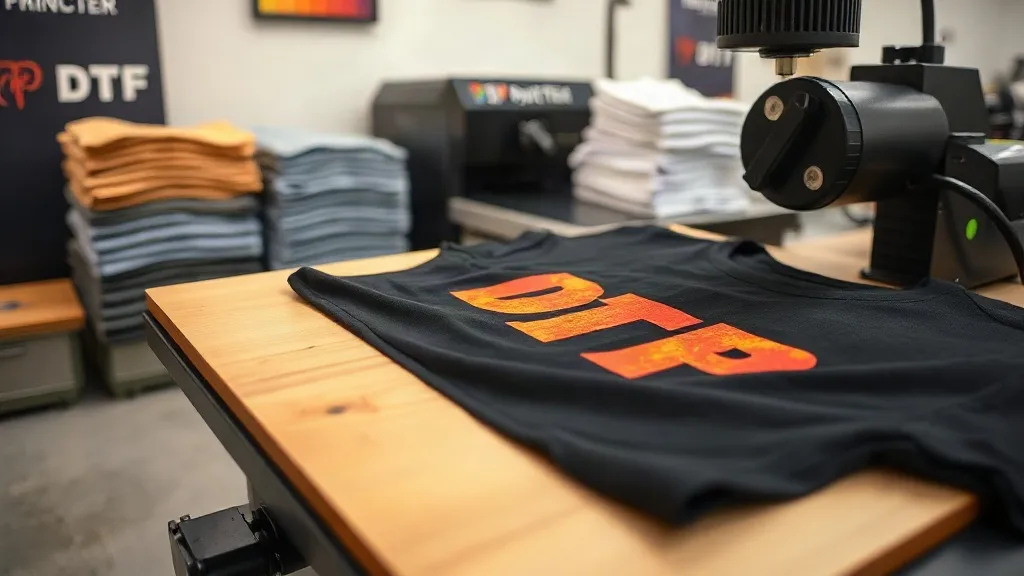
Once cured, the transfer is ready to be applied. Set your heat press to the recommended temperature (usually around 300-320°F or 150-160°C) and pressure (medium to firm). Place the transfer on the garment with the adhesive side down, cover with a protective sheet, and press for 10-15 seconds. After pressing, peel the film off while it's still hot (or cold, depending on the film type). Finally, give it a second press with a cover sheet for 5-10 seconds to ensure the adhesive fully bonds with the fabric.
4. Post-Pressing Care
Allow the garment to cool completely before folding or packaging. Proper cooling prevents the adhesive from sticking to itself or other surfaces. For best results, wash the garment inside out in cold water and tumble dry low. Avoid ironing directly over the print.
Choosing the Right Blanks for DTF Transfers
The quality of your blank garment significantly impacts the final result. While DTF works on many fabrics, some blanks yield better results than others. Look for garments with a smooth, tight weave to ensure the transfer adheres evenly. Heavyweight cotton tees, ring-spun cotton, and cotton-poly blends are excellent choices. Avoid heavily textured fabrics or those with a high silicone content, as the adhesive may not bond properly. For the best selection of blanks, consider visiting Houston Blank Apparel, where you can find a wide range of high-quality options.
Common DTF Transfer Mistakes and How to Avoid Them
Even experienced printers can run into issues. Here are some common pitfalls and their solutions:
- Insufficient pressure: If the transfer doesn't adhere well, increase the pressure. Too little pressure results in poor bonding and early peeling.
- Wrong temperature: Always follow the film manufacturer's recommendations. Too hot can scorch the fabric or melt the film; too cold leads to poor adhesion.
- Incomplete powder curing: Ensure the powder is fully melted and glossy before pressing. Uncured powder can cause the design to crack.
- Pressing over seams or zippers: These areas require extra attention. Use a pressing pillow or adjust pressure to ensure the transfer conforms to uneven surfaces.
- Peeling too soon or too late: Follow the film's instructions for hot vs. cold peel. Peeling at the wrong temperature can distort the design.
By being mindful of these details, you can achieve professional-grade results consistently.
DTF Transfers vs. Other Printing Methods
How does DTF stack up against screen printing, vinyl, and DTG? Each method has its strengths. Screen printing is cost-effective for large orders but requires setup and is limited in colors. Vinyl is great for simple designs but struggles with complex images. DTG (Direct-to-Garment) excels on 100% cotton but can be less vibrant on dark shirts. DTF, on the other hand, offers a balance: it handles complex designs, works on almost any fabric, and is cost-effective for small to medium runs. For many shops, DTF has become the go-to method for its versatility and quality.
Practical Tips for Flawless DTF Transfers
To ensure your DTF transfers look great and last long, keep these tips in mind:
- Store transfers properly: Keep unused films in a cool, dry place away from direct sunlight to prevent premature curing.
- Pre-press garments: Always pre-press the garment for a few seconds to remove moisture and wrinkles. This improves adhesion.
- Use a cover sheet: Protect your heat press platen and the transfer with a Teflon sheet or parchment paper.
- Test on scrap fabric: Before pressing onto the final garment, do a test press on a similar fabric to dial in your settings.
- Maintain your printer: Regular cleaning and maintenance of your DTF printer ensure consistent print quality and prevent clogs.
These small habits make a big difference in the longevity and appearance of your prints.
Frequently Asked Questions About DTF Transfers
How durable are DTF transfers after washing?
When applied correctly, DTF transfers are highly durable. They can withstand 50+ washes without cracking, fading, or peeling. To maximize longevity, wash garments inside out in cold water and avoid harsh detergents or high heat in the dryer.
Can I use DTF transfers on dark-colored shirts?
Absolutely. DTF transfers include a white ink base that makes colors pop on dark fabrics. This is one of the key advantages over other methods like DTG, which may require a white underbase that can feel thick.
Do I need special equipment to apply DTF transfers?
You need a heat press, which is standard in most print shops. No additional equipment is required for application. For printing your own transfers, you'll need a DTF printer and curing oven, but many suppliers offer pre-printed transfers that you can simply press on.
What fabrics work best with DTF transfers?
DTF works on a wide range of fabrics, including cotton, polyester, blends, canvas, and denim. It's not recommended for fabrics with a high silicone content or those that can't withstand heat (like some nylons or delicate synthetics). Always test on a small area first.
How should I store unused DTF transfers?
Store them in a cool, dry place, away from direct sunlight and heat sources. Keep them flat to avoid creasing. Properly stored transfers can last for several months.
Final Thoughts
DTF transfers have truly transformed the custom apparel industry, offering a level of flexibility and quality that was previously hard to achieve. By understanding the process, choosing the right materials, and avoiding common mistakes, you can deliver outstanding results that keep customers coming back. Whether you're a seasoned pro or just starting, incorporating DTF into your services can open up new creative and business opportunities. For premium blanks to pair with your DTF projects, explore the selection at Houston Blank Apparel and take your custom apparel to the next level.