
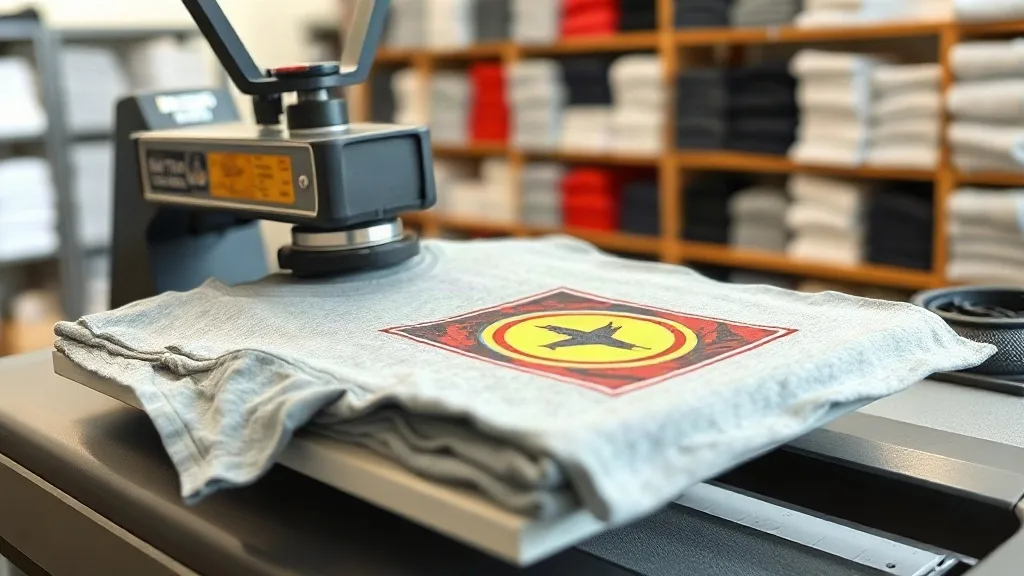
Tri-blend shirts have a loyal following. Customers love the soft, vintage feel and the way the fabric drapes. But for print shops, these shirts can be a headache. The blend of cotton, polyester, and rayon creates a surface that doesn't behave like pure cotton or pure polyester. Heat transfers can crack, fade, or peel if you don't adjust your process. In this guide, I'll share what I've learned from pressing hundreds of tri-blend jobs and how dtf transfers can actually be the best decoration method for these tricky garments.
Why Tri-Blend Fabrics Are Different
Tri-blend typically contains 50% polyester, 25% cotton, and 25% rayon. Each fiber brings something to the table: polyester adds durability and color retention, cotton provides breathability, and rayon gives that silky softness. But each fiber also reacts differently to heat and pressure. Polyester can shrink or glaze under high heat, cotton absorbs moisture and can cause inconsistent adhesion, and rayon is delicate and prone to scorching. The combination means you can't just use a one-size-fits-all heat press setting.
Traditional screen printing on tri-blend can work, but it often requires special inks and careful curing. Vinyl can feel stiff and may not stretch with the fabric. That's where dtf transfers shine: they're printed on a thin film that stretches with the garment and bonds well to blended fabrics when applied correctly.
Choosing the Right DTF Transfer for Tri-Blend
Not all DTF transfers are created equal. For tri-blend, you want a transfer with a high-quality adhesive powder that can handle the fabric's stretch. Look for transfers that are printed with vibrant, opaque inks. Since tri-blend shirts often come in heathered colors (like athletic grey or vintage navy), the ink needs to stand out without requiring a white underbase. DTF transfers are printed with a white layer behind the color, so they're naturally opaque. But the quality of that white layer matters. Cheap transfers may have thin white that lets the heather show through, making colors look dull.
When you order dtf transfers near me, ask about the ink and powder quality. A reputable supplier will use fine powder that melts evenly and creates a strong bond. Also, consider the film type. Some films are designed for stretch fabrics and have a softer hand. If you're printing large designs on tri-blend, a stretchable film is worth the extra cost.
Preparing Tri-Blend Shirts for Pressing
Preparation is half the battle. Tri-blend shirts often arrive with moisture from shipping or storage. That moisture can turn to steam during pressing and cause adhesion problems. Always pre-press the shirt for 5-7 seconds at 330°F (165°C) to remove moisture and flatten the fabric. Use a pressing pillow or a folded towel inside the shirt to support the area you're pressing, especially if you're printing over seams or pockets.
Another tip: avoid stretching the shirt when you load it on the press. Let it lay naturally. If the fabric is stretched during pressing, the transfer may crack when the shirt relaxes. Also, check for any wrinkles. A wrinkle under the transfer will show as a line or cause the transfer to lift.
Setting the Heat Press for Success
Temperature, pressure, and time are critical. For tri-blend, I recommend a temperature of 300-310°F (150-155°C). Why lower than the typical 320-330°F? Because rayon and polyester can be sensitive to high heat. Too hot, and you risk scorching or melting the fibers, or causing the transfer to over-melt and become glossy. Lower heat with a slightly longer press time (12-15 seconds) gives the adhesive time to flow without damaging the fabric.
Pressure should be medium to firm. Too little pressure and the transfer won't bond; too much and you can flatten the fabric and cause the transfer to spread. Use a consistent pressure, around 40-60 psi on a pneumatic press, or firm hand pressure on a manual press. Always use a Teflon sheet or parchment paper over the transfer to protect it and prevent sticking.
Peeling and Post-Press Care
DTF transfers are typically cold peel or warm peel? Most modern DTF transfers are cold peel, meaning you wait until the transfer is completely cool before peeling the film. This allows the adhesive to set properly. Peeling too early can cause the design to lift or stretch. After peeling, I recommend a second press for 5 seconds with a Teflon sheet to smooth the transfer and ensure maximum durability. This step also helps the transfer conform to the fabric's texture.
For tri-blend, avoid stretching the shirt immediately after pressing. Let it cool completely before folding or packaging. If you're stacking shirts, place a piece of parchment paper between them to prevent sticking.
Troubleshooting Common Issues
Even with careful settings, problems can arise. Here are a few common issues and how to fix them:
- Transfer peeling after washing: This usually means insufficient pressure or time. Increase pressure slightly and extend press time by 2-3 seconds. Also, ensure the shirt is completely dry before pressing.
- Cracking along stretch lines: Use a stretchable DTF film and avoid over-stretching the shirt during pressing. Also, make sure the transfer is not too thick; some designs with heavy ink coverage may crack. Consider reducing ink density or using a softer film.
- Color fading or dullness: This can happen if the white layer is too thin or if the transfer is overheated. Check your supplier's quality. Also, avoid pressing at too high a temperature, which can degrade the inks.
- Glossy or shiny finish: Over-pressing can cause the transfer to become glossy. Lower the temperature and reduce press time.
Wash Durability and Customer Expectations
Customers expect their tri-blend shirts to last. With proper application, DTF transfers can withstand dozens of washes. However, tri-blend fabrics are more delicate than 100% cotton, so advise customers to wash inside out in cold water and tumble dry low. Avoid fabric softener and bleach. I've seen transfers last for years when cared for properly. Testing a sample wash cycle before delivering a large order is always a good idea.
Why DTF Is a Game-Changer for Tri-Blend
Compared to other methods, DTF offers flexibility and quality that's hard to beat. You can print full-color, photographic designs without worrying about color separation. The transfers are ready to press, saving time and labor. And because they bond to the fabric rather than sitting on top, they feel softer and stretch better. For shops that handle a lot of tri-blend orders, investing in a quality DTF printer or sourcing from a reliable supplier can streamline operations and keep customers happy.
If you're new to DTF, start with small test runs. Order a few transfers and experiment with your press settings. Keep a log of what works for different fabric blends. Over time, you'll develop a feel for it. And remember, the key to success with tri-blend is gentle heat, even pressure, and patience.
Frequently Asked Questions
Can I use DTF transfers on 100% rayon shirts?
Yes, but with caution. Rayon is highly heat-sensitive. Use a low temperature (around 280-290°F) and short press time. Always test on a scrap piece first. Also, pre-shrink the garment if possible, as rayon can shrink significantly.
How do I prevent the transfer from sticking to the Teflon sheet?
Use a fresh Teflon sheet or parchment paper. If the transfer sticks, it may be due to excessive pressure or too high a temperature causing the adhesive to ooze. Reduce pressure and temperature slightly. Also, make sure the transfer is completely cool before peeling.
What's the best way to store DTF transfers before use?
Store them in a cool, dry place away from direct sunlight. Keep them flat to avoid creasing. Avoid high humidity, which can affect the adhesive powder. If you're in a humid climate, consider storing them in a sealed bag with a desiccant packet.
Can I layer DTF transfers on tri-blend?
Layering is possible but tricky. You need to press each layer separately, and the bottom layers may remelt. Use a lower temperature for subsequent presses and press for shorter times. Alternatively, design your artwork to avoid layering. For complex designs, it's often better to print as one transfer.
How long should I wait before washing a tri-blend shirt with DTF?
Wait at least 24 hours after pressing before washing. This allows the adhesive to fully cure. For best results, wait 48 hours. Always wash inside out in cold water.