
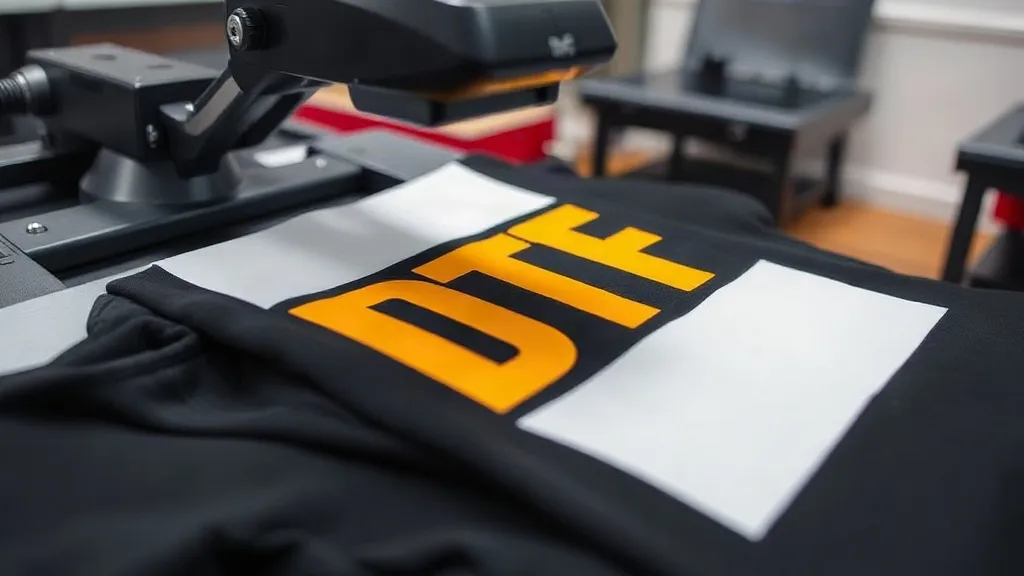
Hoodies are a staple in custom apparel, but printing on them can be tricky. The thick fabric, seams, and pockets often cause issues like uneven pressing or poor adhesion. DTF transfers offer a solution, but you need to know the nuances. This guide will walk you through the process, from choosing the right hoodie to pressing like a pro.
Why DTF Transfers Work Well on Hoodies
DTF transfers are versatile and bond well with a variety of fabrics, including cotton, polyester, and blends. Hoodies are often made from these materials, making DTF a natural fit. Unlike screen printing, DTF doesn't require a flat surface, which is a huge advantage when dealing with seams and pockets. The adhesive in DTF transfers melts into the fabric fibers, creating a durable bond that can withstand repeated washing.
Another benefit is the ability to print intricate designs with fine details. Hoodies often feature large back prints or left-chest logos, and DTF handles both with ease. The transfers are also thin, so they don't add bulk or stiffness, which is crucial for comfort in a hoodie.
Choosing the Right Hoodie for DTF
Not all hoodies are created equal. The fabric content, weight, and construction all affect how well a DTF transfer adheres. Here's what to look for:
- Fabric content: 100% cotton and cotton/poly blends are ideal. High polyester content can sometimes cause the transfer to appear glossy or fail to adhere properly, so test first.
- Weight: Medium to heavyweight hoodies (8 oz and up) provide a stable surface for pressing. Lightweight hoodies may require lower pressure to avoid scorching.
- Construction: Look for hoodies with flat seams and minimal texture. Rough or uneven surfaces can prevent the transfer from bonding evenly.
At Houston Blank Apparel, we recommend testing a sample before committing to a large order. Different dyes and finishes can affect adhesion, so a quick test press saves time and money.
Preparing the Hoodie for Pressing
Proper preparation is key to a flawless application. Start by pre-pressing the hoodie for 5-10 seconds to remove moisture and wrinkles. This step is often overlooked but can make a big difference. Use a pressing pillow or a folded towel inside the hoodie to create a firm, even surface, especially when pressing over seams or zippers.
If the hoodie has a pocket, place the pillow inside the pocket area to raise it to the same level as the rest of the garment. This ensures even pressure and prevents the transfer from missing the pocket edges.
Setting Up Your Heat Press
DTF transfers require specific temperature, pressure, and time settings. While these can vary by transfer supplier, a good starting point is:
- Temperature: 300-320°F (150-160°C)
- Pressure: Medium to firm (around 40-60 PSI)
- Time: 10-15 seconds for the initial press, then 5-10 seconds for the peel and second press.
Always follow the transfer manufacturer's recommendations. If you're using a dtf transfer from a reputable source, they should provide a technical data sheet with exact settings. Invest in a heat press with accurate temperature control and even pressure distribution; a clamshell press works well for hoodies if you use a pillow.
Step-by-Step Application Process
1. Pre-Press the Hoodie
Lay the hoodie flat on the press, smooth out any wrinkles, and pre-press for 5-10 seconds. This removes moisture and creates a flat surface.
2. Position the Transfer
Place the DTF transfer on the hoodie with the printed side facing up. Use a ruler or laser guide to center it. For pocket prints, ensure the design clears the pocket seam.
3. Press the Transfer
Cover with a Teflon sheet or parchment paper and press at 300-320°F for 10-15 seconds with medium-firm pressure. The transfer will adhere to the garment.
4. Peel the Carrier Sheet
Wait a few seconds for the transfer to cool slightly, then peel the carrier sheet in a smooth, steady motion. If the design lifts, press again for a few seconds.
5. Post-Press for Durability
Cover the design with Teflon or parchment and press again for 5-10 seconds. This ensures the transfer fully bonds and improves wash durability.
Common Challenges and Solutions
Seams and Pockets
Seams and pockets create uneven surfaces that can cause poor adhesion. Use a pressing pillow to raise the area to the same level as the rest of the garment. For pocket prints, press the pocket area separately with a smaller pillow or folded towel.
Thick Fabrics
Heavyweight hoodies may require slightly longer pressing times or higher pressure. However, avoid excessive pressure, which can cause the transfer to spread or the fabric to scorch. Test with a scrap piece first.
Zippers and Drawstrings
If printing near zippers or drawstrings, use a heat-resistant tape to hold them away from the press area. Alternatively, remove drawstrings before pressing and reattach afterward.
Aftercare and Wash Instructions
To ensure the longevity of your DTF-printed hoodie, advise customers to:
- Wash inside out in cold water.
- Avoid bleach and fabric softeners.
- Tumble dry low or hang dry.
- Do not iron directly on the print.
These steps prevent cracking and fading, keeping the design vibrant.
Finding Quality DTF Transfers
If you're looking for dtf transfers near me, Houston Blank Apparel offers high-quality transfers with vibrant colors and reliable adhesion. Our transfers are printed on premium film and are compatible with a wide range of fabrics. We also provide detailed application instructions and support to help you achieve flawless results.
Frequently Asked Questions
Can I use DTF transfers on hoodies with a high polyester content?
Yes, but you may need to adjust your press settings. Polyester can be sensitive to high heat, so lower the temperature to around 290°F and use light pressure. Always test a sample first to ensure the transfer adheres properly without scorching.
How do I prevent the transfer from sticking to the carrier sheet during peeling?
This usually happens if the transfer hasn't cooled enough or if the pressure is too light. Allow the transfer to cool for a few seconds after pressing, then peel slowly. If it still sticks, press again for a few seconds and try peeling from a different corner.
What's the best way to press over a hoodie pocket?
Use a pressing pillow or a folded towel inside the pocket to raise it to the same level as the rest of the hoodie. This creates an even surface and ensures the transfer adheres uniformly. Press the pocket area with the pillow in place, then remove the pillow and press the rest of the design.
How durable are DTF transfers on hoodies?
When applied correctly, DTF transfers are highly durable and can withstand many washes. Proper aftercare, such as washing inside out in cold water and avoiding high heat in the dryer, will extend the life of the print.
Do I need a special heat press for hoodies?
A standard heat press works fine, but a clamshell press with a pressing pillow is ideal for hoodies. Ensure your press has accurate temperature control and even pressure distribution. A press with a larger platen can accommodate the bulk of a hoodie more easily.