
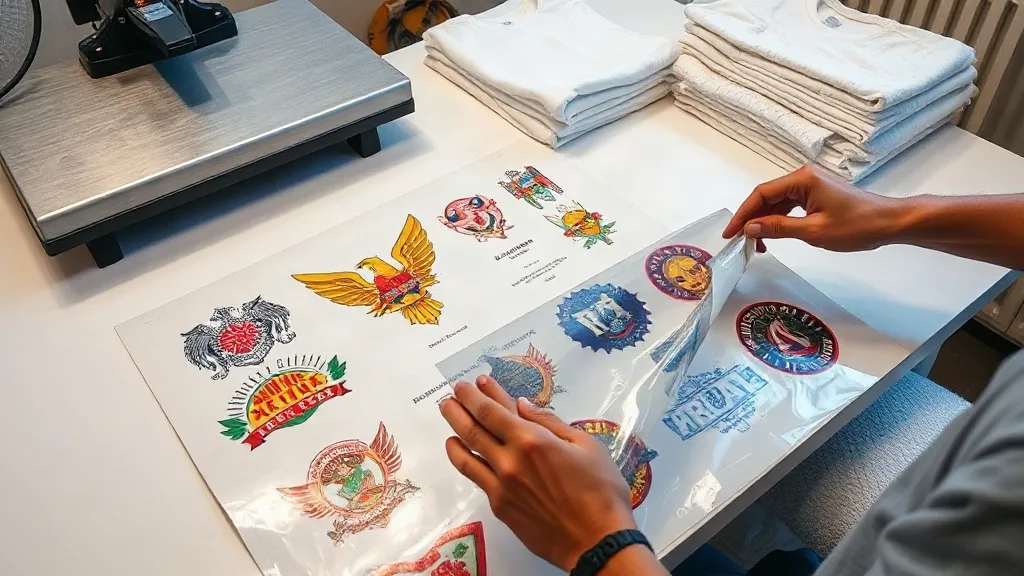
Custom apparel printing has always been a balance between quality, speed, and cost. Traditional methods like screen printing or vinyl cutting each have their place, but they come with trade-offs: setup time, color limitations, or fabric restrictions. Enter the DTF Gangsheet, a game-changer for small businesses, print shops, and anyone who needs high-quality, full-color transfers without the hassle. In this article, we'll explore what a DTF gangsheet is, how it works, and why it might be the missing piece in your production workflow.
What Is a DTF Gangsheet?
A DTF (Direct to Film) gangsheet is a single sheet of transfer film that contains multiple designs, typically arranged to maximize space and minimize waste. Instead of printing each design individually, you consolidate them into one large sheet, which is then printed using a DTF printer. The result is a film with your designs in vibrant, full-color detail, ready to be transferred onto garments.
The term "gang" refers to grouping multiple jobs together. This approach is especially popular in the custom apparel industry because it allows for efficient production of small to medium batches without the setup costs of screen printing. Whether you're printing 50 different shirt designs or a single design in various sizes, a gangsheet streamlines the process.
How Does DTF Printing Work?
DTF printing involves printing your design onto a special film, applying a powder adhesive, and then using a heat press to transfer the design onto fabric. Here's a step-by-step breakdown:
- Design Preparation: Your designs are arranged on a template to fit within the gangsheet dimensions.
- Printing: The DTF printer prints the designs onto the film using water-based inks.
- Powder Application: While the ink is still wet, a hot-melt adhesive powder is applied and then shaken off.
- Curing: The film is heated to melt the powder, creating a durable, flexible layer.
- Transfer: The film is placed on the garment and pressed with a heat press, transferring the design.
This process works on a wide range of fabrics, including cotton, polyester, blends, and even hard-to-print materials like nylon and leather. The result is a soft, stretchable print that withstands repeated washing.
Why Choose a DTF Gangsheet Over Other Methods?
If you're still on the fence, consider these advantages:
- Cost-Effective for Short Runs: Screen printing requires separate screens for each color, which is expensive for small batches. DTF gangsheets eliminate setup costs, making short runs affordable.
- Unlimited Colors: Unlike vinyl or screen printing, DTF can reproduce complex, multi-color designs without additional cost or time.
- No Weeding or Masking: Vinyl requires tedious weeding, and screen printing requires masking. DTF is a print-and-press process, saving hours of labor.
- Works on Almost Any Fabric: From 100% cotton to polyester and blends, DTF adheres well and holds up over time.
- Space Efficiency: By grouping designs, you maximize the use of film and reduce waste, which lowers your cost per print.
For a deeper dive into gangsheets, check out this DTF Gangsheet resource.
How to Create a DTF Gangsheet
Creating a gangsheet is straightforward if you follow these steps:
- Gather Your Designs: Collect all the designs you need to print. Ensure they are high resolution (300 DPI recommended) and in PNG format with transparent backgrounds.
- Choose Your Sheet Size: Common sizes are 22"x12", 22"x24", and 22"x36". The size depends on your printer and the number of designs.
- Arrange Designs: Use design software or a gangsheet builder tool to arrange designs efficiently. Leave a small gap between designs to allow for cutting.
- Print and Transfer: Once printed, you can cut out individual designs and press them onto garments as needed.
Many online services offer gangsheet builders that automatically optimize layout, so you don't need design software. Alternatively, you can create your own template in tools like Photoshop or Illustrator.
Tips for Maximizing Efficiency with DTF Gangsheets
- Group Similar Jobs: If you have multiple orders for the same design, place them together to save film.
- Use Nesting Software: Some tools can automatically nest designs to minimize wasted space.
- Keep a Library of Designs: Reuse popular designs by saving them as gangsheet templates.
- Test on Scrap Fabric: Before pressing onto a final garment, test the transfer on a scrap piece to ensure settings are correct.
- Store Films Properly: Keep unused film in a cool, dry place to prevent the adhesive from absorbing moisture.
Common Applications of DTF Gangsheets
DTF gangsheets are versatile and used across various industries:
- Custom T-Shirts: Perfect for small businesses, events, or personal use.
- Sportswear: Team jerseys, uniforms, and fan gear with complex logos.
- Promotional Items: Tote bags, hats, and aprons for branding.
- Fashion and Streetwear: Detailed, multi-color designs on demand.
Whether you're a startup clothing brand or a seasoned print shop, gangsheets offer flexibility and quality.
Frequently Asked Questions
What is the difference between DTF and DTG printing?
DTF (Direct to Film) transfers designs onto a film before pressing onto fabric, while DTG (Direct to Garment) prints directly onto the garment. DTF works on more fabric types, including polyester, and often produces more vibrant colors. DTG is limited to cotton-rich fabrics and may require pre-treatment.
Can I use a DTF gangsheet on dark-colored shirts?
Yes, DTF printing includes a white ink layer that makes designs opaque on dark fabrics. This allows for vibrant colors without the need for a white underbase, unlike other methods.
How do I store unused DTF film?
Store unused film in a cool, dry place, away from direct sunlight. Keep it in a sealed bag to prevent moisture absorption, which can affect the adhesive powder. Properly stored film can last up to 6 months.
What heat press settings should I use for DTF transfers?
Typically, press at 325°F (160°C) for 10-15 seconds with medium pressure. Peel the film cold or hot depending on the film type. Always follow the manufacturer's recommendations and test on a scrap first.
Can I create a gangsheet with different designs?
Absolutely. A gangsheet can include multiple designs of varying sizes. Just arrange them efficiently to minimize waste. Many online gangsheet builders allow you to upload multiple images and automatically optimize the layout.
Conclusion
DTF gangsheets are a versatile and cost-effective solution for custom apparel printing. By grouping designs, you save time and money while delivering high-quality, durable prints on almost any fabric. Whether you're a small business owner or a DIY enthusiast, incorporating DTF gangsheets into your workflow can elevate your production capabilities. For more information and to explore gangsheet options, visit Houston Blank Apparel today.