Custom apparel has become a powerful way for individuals and businesses to express creativity, build brand identity, and stand out. Whether you're a small business owner looking to create branded merchandise, a sports team needing uniforms, or simply someone who loves personalized clothing, the method you choose for decorating apparel matters. Among the various techniques available, dtf transfers have emerged as a game-changer, offering vibrant colors, durability, and versatility that traditional methods often struggle to match. In this guide, we'll walk you through everything you need to know about DTF transfers, from how they work to how you can apply them like a pro.
What Are DTF Transfers?
DTF stands for Direct-to-Film. It's a printing technology where your design is printed onto a special film, then coated with a powder adhesive and cured. The result is a transfer that can be heat-pressed onto various fabrics. Unlike DTG (Direct-to-Garment) printing, which requires the garment to be pre-treated and printed directly, DTF transfers are printed separately and then applied, making them incredibly versatile and accessible even for those without expensive printing equipment.
The process involves printing the design onto a PET film using specialized dtf printers and inks. Once printed, a hot-melt adhesive powder is applied to the wet ink, and the film is cured. This creates a transfer that can be stored and used later. When you're ready to apply it, you simply heat press it onto your fabric. The adhesive melts and bonds with the fibers, while the ink layer sits on top, delivering bright, detailed graphics.
Why Choose DTF Transfers for Your Custom Apparel?
There are several compelling reasons why DTF transfers have become a favorite among apparel decorators and hobbyists alike.
1. Unmatched Versatility
DTF transfers work on almost any fabric, including cotton, polyester, blends, and even tough materials like canvas and denim. This is a significant advantage over other methods like sublimation, which only works on light-colored polyester, or DTG, which works best on 100% cotton. With DTF, you're not limited by fabric type or color. Whether you're decorating a black t-shirt or a white hoodie, the results are consistent and vibrant.
2. Vibrant, Detailed Prints
DTF transfers produce high-resolution, full-color designs with fine details and smooth gradients. The white ink layer used in DTF printing ensures that colors pop even on dark garments without the need for a separate white underbase. This means you can print complex images, photographs, and intricate patterns with confidence.
3. Durability and Washability
When applied correctly, DTF transfers are extremely durable. They resist cracking, peeling, and fading, even after multiple washes. The adhesive bonds strongly to the fabric, and the ink is flexible, so the print moves with the garment without feeling stiff. This makes DTF ideal for items that will see regular wear and washing, like team jerseys or work uniforms.
4. Cost-Effective for Small Batches
Unlike screen printing, which requires separate screens for each color and becomes cost-effective only at higher quantities, DTF transfers are economical for small runs. You can print a single transfer or hundreds without the setup costs. This makes DTF perfect for small businesses, personalized gifts, and sample production.
5. Easy to Apply
Applying DTF transfers is straightforward with a heat press. No special expertise is required, and the learning curve is short. This accessibility allows anyone to start a custom apparel business from home with minimal investment.
How to Apply DTF Transfers: Step-by-Step
Applying DTF transfers is a simple process, but following the correct steps ensures a professional and long-lasting result. Here's what you need to do:
- Preheat your heat press: Set your heat press to the temperature recommended by your transfer supplier, typically around 300-325°F (150-160°C).
- Pre-press the garment: Place your garment on the press and press for a few seconds to remove moisture and wrinkles. This helps the transfer adhere better.
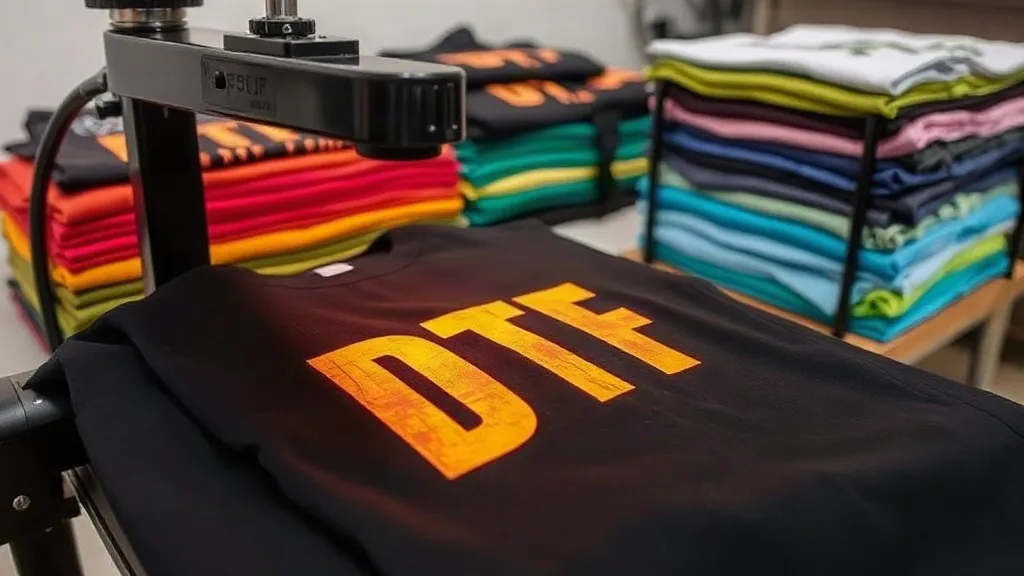
- Position the transfer: Place the DTF transfer on the garment with the printed side facing up. The film should be on top.
- Press: Cover the transfer with a protective sheet (like parchment paper or a Teflon sheet) and press with medium pressure for 10-15 seconds.
- Peel: Allow the transfer to cool completely before peeling off the film. Peeling while hot can cause the design to lift or distort. Peel slowly and evenly.
- Post-press (optional): For extra durability, you can press again for a few seconds with a protective sheet.
Always test on a scrap fabric first to dial in your press settings. Different fabrics and transfer types may require slight adjustments.
Common Mistakes to Avoid with DTF Transfers
Even though DTF is forgiving, avoiding these common pitfalls will save you time and materials:
- Pressing at the wrong temperature: Too hot and the film may melt or the adhesive may burn; too cold and the transfer won't adhere properly.
- Peeling too soon: Waiting for the transfer to cool ensures the adhesive has set and the design remains intact.
- Not using a protective sheet: Direct contact between the press and the transfer can cause sticking and ruin the design.
- Ignoring fabric type: While DTF works on many fabrics, some specialty fabrics may require lower temperatures or different pressing times.
Finding DTF Transfers Near You
If you're looking to get started with DTF transfers, you might be wondering where to find them. Searching for dtf transfers near me can help you locate local suppliers or print shops that offer DTF services. However, if you prefer the convenience of ordering online, many reputable companies provide high-quality DTF transfers with fast shipping. Houston Blank Apparel is a trusted source for blank apparel and custom decoration supplies, and they can guide you to reliable DTF transfer options. When choosing a supplier, look for vibrant prints, consistent quality, and good customer service.
DTF vs. Other Decorating Methods
To appreciate DTF fully, it helps to compare it with other popular methods:
- Screen Printing: Great for large orders of simple designs, but setup costs are high and colors are limited. DTF wins for small batches and complex designs.
- DTG: Excellent for detailed prints on cotton, but requires pre-treatment and is limited to cotton-rich fabrics. DTF is more versatile.
- Sublimation: Only works on light polyester and requires special paper. DTF works on almost any fabric and color.
- Vinyl: Good for simple text and shapes, but not for detailed images. DTF handles full-color graphics with ease.
Frequently Asked Questions
Can I use DTF transfers on dark-colored shirts?
Yes, absolutely. DTF transfers include a white ink layer that makes colors pop on dark fabrics. You don't need to pre-treat the shirt or use a separate white underbase.
How long do DTF transfers last?
With proper application and care, DTF transfers can last as long as the garment itself. They resist cracking and fading through many washes. Always follow care instructions: wash inside out in cold water and avoid ironing directly on the print.
What fabrics work best with DTF transfers?
DTF works on a wide range of fabrics, including cotton, polyester, blends, and even leather-like materials. It's not recommended for fabrics with special coatings or waterproof finishes.
Do I need a special printer for DTF?
Yes, DTF printing requires a DTF printer and specialized inks and film. However, you can purchase pre-printed DTF transfers from suppliers if you don't want to invest in the equipment.
How do I store DTF transfers?
Store unused transfers in a cool, dry place away from direct sunlight. Keep them flat to avoid creasing. Properly stored transfers can last for several months.
DTF transfers have revolutionized the custom apparel industry by making high-quality, full-color printing accessible to everyone. Whether you're a hobbyist or a business owner, understanding how DTF works and how to apply it will open up a world of creative possibilities. With the right supplies and a bit of practice, you'll be producing professional-grade custom apparel in no time.