
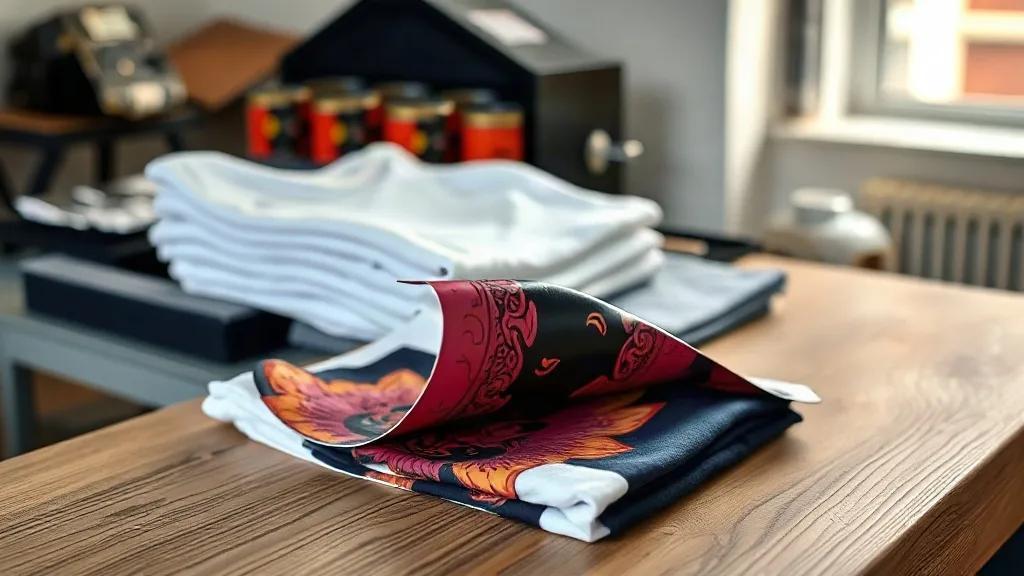
When you first start working with DTF transfers, it's easy to focus all your attention on the print side: the design, the rip software, the powder, the press settings. But here's the thing that often gets overlooked: the blank shirt you choose can make or break the final result. A perfect transfer on the wrong blank can look dull, crack, or wash away prematurely. On the other hand, a well-matched blank can elevate even a simple design into something that feels premium and lasts.
In this guide, we'll walk through what makes a blank shirt suitable for DTF printing. We'll cover fabric composition, weave, color, weight, and pre-treatment considerations. By the end, you'll know exactly what to look for when stocking up on blanks for your shop or brand.
Why the Blank Matters for DTF Transfers
DTF transfers are printed on a special film, then powdered with hot-melt adhesive and cured. When you press them onto a garment, the adhesive melts and bonds with the fabric fibers. The smoother and more consistent the fabric surface, the better the bond and the more vibrant the print appears. If the fabric is too rough, stretchy, or coated with a finish that repels the adhesive, you'll see problems like poor adhesion, cracking, or a washed-out look.
Additionally, the color of the blank affects how the print looks. DTF inks are opaque, but on very dark or bright backgrounds, you may need a white underbase (which is standard in DTF) to keep colors true. However, some blanks have a tendency to bleed or yellow over time, which can alter the print's appearance.
Key Factors to Consider in a Blank
Fabric Composition
Not all fabrics play nice with DTF. Here's a quick breakdown:
- 100% Cotton: The gold standard for DTF. Cotton fibers are absorbent and provide a smooth surface for the adhesive to grab onto. Prints adhere well and feel soft.
- Cotton/Poly Blends: Generally good, but the higher the poly content, the more you need to watch for dye migration (especially on dark colors) and slightly reduced stretch recovery.
- 100% Polyester: Can work, but requires caution. Polyester is hydrophobic and can repel the adhesive if not properly prepared. Also, some poly dyes sublimate at pressing temperatures, causing colors to bleed into the print. Look for poly blanks labeled as "DTF-friendly" or those with a tight weave and colorfast dyes.
- Tri-blends: These can be tricky due to the varying fiber content. They may require lower pressing temperatures and careful testing.
As a rule of thumb, the higher the cotton content, the easier the DTF process. For beginners, 100% cotton is the safest bet.
Weave and Surface Texture
The weave of the fabric determines how smooth the surface is. A tight, fine weave (like combed ring-spun cotton) provides an even surface that allows the transfer to sit flat and bond uniformly. Looser weaves, such as open-end cotton or slub fabrics, have more texture, which can cause the transfer to conform to the bumps, leading to a textured print or even gaps in adhesion.
If you're printing detailed designs with fine lines or small text, a smooth blank is essential. For vintage or textured looks, you might intentionally choose a rougher blank, but be aware that the print will take on that texture.
Color and Dye Migration
DTF transfers include a white ink layer that acts as a base, so you can print on any color. However, some dark fabrics, especially polyester and some cotton blends, are dyed with pigments that can migrate into the white layer when heated. This is known as dye migration and it can cause the white to turn pink, blue, or gray, ruining the print.
To avoid this, choose blanks with colorfast dyes or those specifically recommended for heat transfer printing. Many blank suppliers now offer "dye-blocking" or "bleed-resistant" fabrics. If in doubt, test a small sample before committing to a large order.
Fabric Weight
The weight of the fabric (measured in ounces per square yard or grams per square meter) affects how the garment drapes and how it holds the print. Lighter fabrics (under 5 oz) may require lower pressing temperatures to avoid scorching, and they might not provide as smooth a surface if they are very thin. Medium-weight fabrics (5-6 oz) are a sweet spot for DTF: they are sturdy enough to handle the press and provide a smooth base, yet comfortable to wear.
Heavyweight fabrics (7 oz and up) are great for streetwear and can handle higher heat, but they may need a bit more pressure to ensure the transfer penetrates the thicker fibers. Always adjust your press settings accordingly.
Pre-Treatment and Finishes
Some blanks come with finishes like anti-pilling agents, softeners, or water repellents. These can interfere with adhesion. If you're using a blank with such finishes, you may need to pre-wash the garment before pressing (check the manufacturer's recommendations). Also, some garments are mercerized or have a sheen; these generally accept DTF well, but test first.
How to Test a Blank for DTF Compatibility
Before you commit to a new blank style, do a small test run. Press a transfer onto a sample and evaluate:
- Adhesion: After cooling, try to peel the transfer. It should be firmly bonded and not lift at the edges.
- Stretch: Gently stretch the fabric. The print should stretch with it without cracking (some cracking is normal if stretched beyond its limit, but it shouldn't flake off).
- Wash Test: Wash the sample according to the care instructions (usually inside out, cold water, no fabric softener) and check for fading, cracking, or peeling.
- Color: Ensure the colors remain vibrant and that no dye migration occurred.
Keep notes on each blank you test: fabric content, weight, brand, and press settings. This log will become your reference for future orders.
Recommended Blank Types for DTF Transfers
Based on our experience and feedback from other print shops, here are some blank categories that consistently perform well with DTF:
- Ring-spun cotton tees: Smooth, tight weave, excellent for detailed prints.
- Combed cotton: Even smoother, often used in premium apparel.
- Cotton/poly blends (50/50 or 60/40): Good for softness and durability, but watch for dye migration on dark colors.
- Heavyweight cotton: Great for hoodies and streetwear, handles higher heat.
- Performance fabrics (poly/spandex): Some work well, but require low-temperature pressing and careful testing.
At Houston Blank Apparel, we stock a range of blanks that have been vetted for DTF compatibility. We understand that not all blanks are created equal, and we're here to help you find the right ones for your projects.
Common Mistakes to Avoid
- Using fabric softener before pressing: It leaves a residue that prevents adhesion.
- Pressing on a wrinkled shirt: Wrinkles create uneven pressure, leading to poor transfer.
- Ignoring dye migration: Always test dark poly blends.
- Over-pressing: Too much heat can scorch the fabric or cause the adhesive to over-melt and spread, leading to a halo effect.
- Not pre-pressing: Always pre-press the garment for a few seconds to remove moisture and wrinkles.
Frequently Asked Questions
Can I use DTF transfers on 100% polyester shirts?
Yes, but with caution. Polyester requires lower pressing temperatures (around 280-300°F) and shorter dwell times to avoid dye migration and melting. Always test a sample first and consider using a dye-blocking underlay or a low-temperature DTF film.
What is the best fabric weight for DTF printing?
Medium-weight fabrics (5-6 oz) are generally the easiest to work with. They provide a smooth surface and enough thickness to handle the heat and pressure without scorching. However, heavyweight fabrics (7 oz+) also work well if you adjust press settings.
Do I need to pre-wash blanks before applying DTF transfers?
Not usually, but if the blank has a manufacturer's finish or has been stored in a humid environment, a quick pre-press (5-10 seconds) is enough to remove moisture. Pre-washing is only necessary if the fabric has a heavy finish that interferes with adhesion, or if you want to pre-shrink the garment.
How can I prevent dye migration on dark polyester blanks?
Use blanks with colorfast dyes, press at lower temperatures, and use a dye-blocking underlay (some DTF films come with a migration barrier). Additionally, you can pre-press the garment to evaporate any surface dyes before applying the transfer.
What should I look for in a blank shirt for DTF printing?
Look for 100% cotton or high-cotton blends with a smooth, tight weave. Avoid heavily textured fabrics or those with finishes that repel adhesives. Always test a sample before committing to a large order.