Imagine walking into your studio, ready to bring a customer's vision to life on a fabric that traditional printing methods have always rejected. That's the power of dtf transfers. In recent years, DTF (Direct to Film) printing has emerged as a game-changer in the custom apparel industry, offering unmatched versatility and durability. Whether you're a seasoned screen printer or a DIY enthusiast, understanding DTF technology can open up new creative possibilities and streamline your production process.
What Are DTF Transfers?
DTF stands for Direct to Film. It's a printing method where your design is printed onto a special film, then coated with a powder adhesive and heat-pressed onto fabric. Unlike DTG (Direct to Garment) or screen printing, dtf transfers work on almost any fabric, including cotton, polyester, blends, and even nylon. This flexibility makes it a favorite for small businesses and hobbyists alike.
The DTF Printing Process Step by Step
Curious about how it all comes together? Here's a breakdown of the DTF process:
- Design Preparation: Your artwork is prepared digitally, ensuring colors are vibrant and details are sharp.
- Printing: The design is printed onto a PET film using specialized DTF inks. A white ink layer is often applied as a base to make colors pop on dark fabrics.
- Powder Application: While the ink is still wet, a hot-melt adhesive powder is sprinkled over the film. Excess powder is shaken off.
- Curing: The film is heated to melt the powder, creating a dry, tacky surface that will bond with fabric.
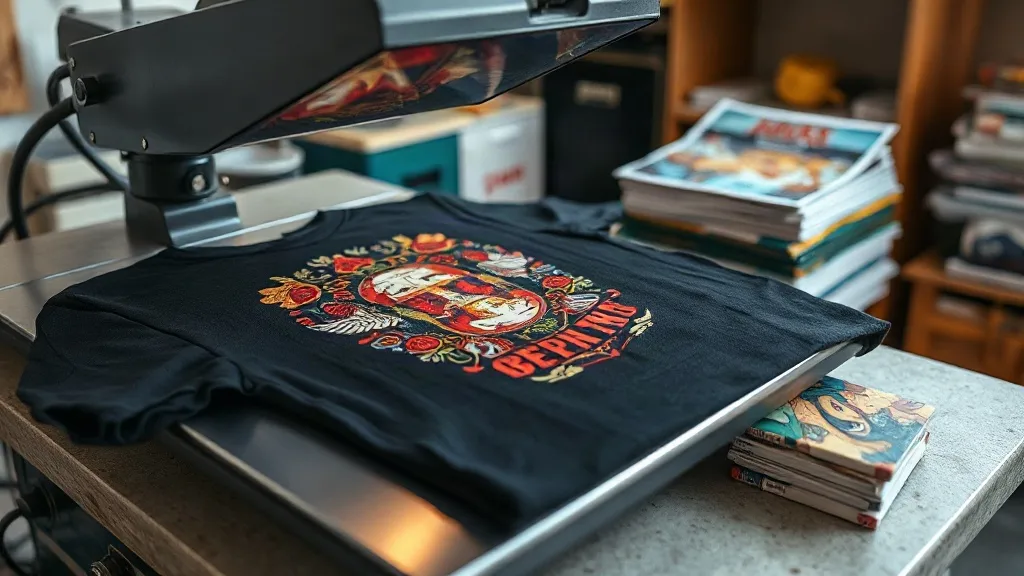
- Heat Pressing: The transfer is placed on the garment and pressed with a heat press at a specific temperature and pressure. Once cooled, the film is peeled away, leaving a soft, durable print.
Each step requires precision, but with practice, DTF can become a fast and reliable method for producing custom apparel.
Why Choose DTF Transfers for Your Custom Apparel?
If you're still on the fence, consider these compelling advantages:
- Fabric Versatility: Works on cotton, polyester, blends, leather, and more. No need for pre-treatment like DTG.
- Vibrant Colors: DTF inks produce bright, saturated colors that stand out, even on dark backgrounds.
- Durability: When applied correctly, DTF prints resist cracking, fading, and peeling through repeated washes.
- Cost-Effective for Small Runs: No setup costs like screen printing, making short runs and one-offs affordable.
- Soft Hand Feel: Modern DTF films and powders result in a print that feels soft to the touch, not plasticky.
For businesses looking to offer custom apparel without inventory, DTF transfers are a smart choice.
DTF vs. Other Printing Methods
How does DTF stack up against screen printing, DTG, and vinyl? Here's a quick comparison:
- Screen Printing: Best for large orders with few colors. DTF wins for complex designs and small batches.
- DTG: Great for cotton, but requires pre-treatment and can be less vibrant on dark shirts. DTF works on more fabrics and often yields brighter results.
- Vinyl: Ideal for simple shapes and numbers, but not for detailed graphics. DTF handles full-color images with ease.
Ultimately, DTF fills a gap by offering high-quality, full-color prints on a wide range of materials without the setup costs of screen printing or the fabric limitations of DTG.
Tips for Perfect DTF Transfers
To ensure your DTF transfers look professional and last, follow these best practices:
1. Choose the Right Film and Powder
Not all DTF films are created equal. Look for films that are compatible with your printer and offer good ink release. The adhesive powder should be fine and evenly applied.
2. Master Heat Press Settings
Temperature, pressure, and time are critical. Typically, press at 150-160°C (300-320°F) for 10-15 seconds with medium pressure. Always test with a scrap fabric first.
3. Peel Correctly
Most DTF transfers are cold peel, meaning you wait until the film cools before peeling. This prevents the design from stretching or tearing.
4. Store Transfers Properly
Keep unused transfers in a cool, dry place away from direct sunlight. Moisture can affect the adhesive powder.
Applications of DTF Transfers
DTF isn't just for t-shirts. Its versatility makes it suitable for:
- Sportswear: Polyester jerseys and shorts benefit from DTF's stretchability and color vibrancy.
- Workwear: Add logos and names to uniforms, even on durable fabrics like canvas.
- Accessories: Tote bags, caps, and aprons can all be customized with DTF.
- Home Decor: Personalize pillowcases, curtains, and more.
If you're looking for a reliable source of DTF transfers, consider dtf options from trusted suppliers.
Common Mistakes to Avoid
Even experienced printers can run into issues. Watch out for these pitfalls:
- Insufficient Pressure: Leads to poor adhesion and washing off. Ensure your press is calibrated.
- Overcooking the Film: Can cause the film to curl or the powder to scorch. Stick to recommended settings.
- Peeling Too Soon: Hot peeling can distort the design. Be patient.
- Ignoring Fabric Type: Some fabrics may require adjusted temperatures. Always test.
Frequently Asked Questions
How long do DTF transfers last?
With proper application and care, DTF transfers can last 50+ washes without significant fading or cracking. Following washing instructions (inside out, cold water) extends longevity.
Can I use DTF on 100% polyester?
Absolutely. DTF works exceptionally well on polyester and polyester blends, often better than on cotton because the ink bonds strongly with synthetic fibers.
Do I need a special printer for DTF?
Yes, DTF requires a printer that uses DTF inks (usually pigment-based) and can handle PET film. Many converted inkjet printers are available for DTF, but you can also outsource printing to a service.
Is DTF transfers safe for children's clothing?
Yes, when using non-toxic inks and adhesives that meet safety standards. Always source materials from reputable suppliers.
How should I store DTF transfers before use?
Store them flat in a cool, dry place, away from humidity and direct sunlight. Avoid folding the film to prevent cracking the adhesive.
DTF transfers have truly democratized custom apparel printing, making it accessible for creators at all levels. By understanding the process and applying best practices, you can deliver stunning, long-lasting prints that your customers will love. So why not give DTF a try? Your next masterpiece is just a heat press away.